Home to One of Europe's Oldest Artists' Colonies
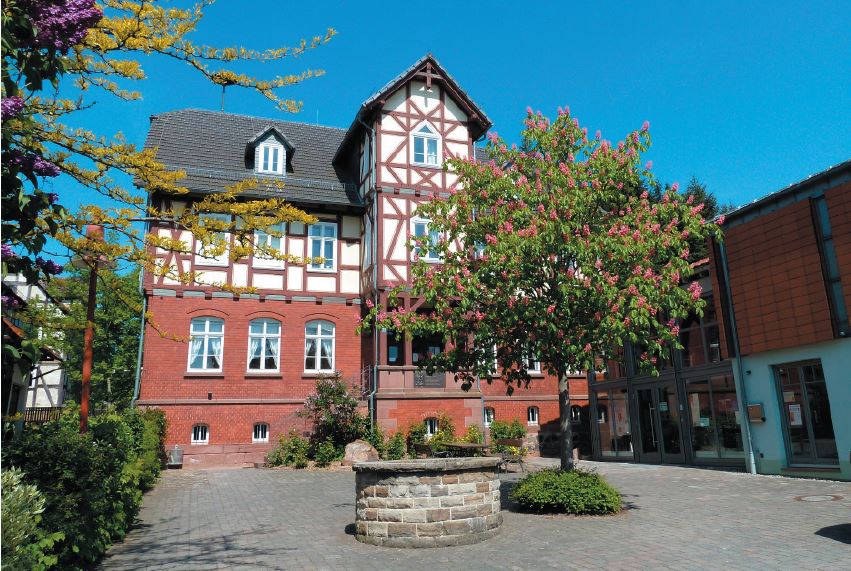
The municipality of Willingshausen was established in 1974 during Hesse's municipal reform through the merger of the formerly independent communities of Antrefftal, Leimbach, Loshausen, Ransbach, Steina, and Wasenberg.
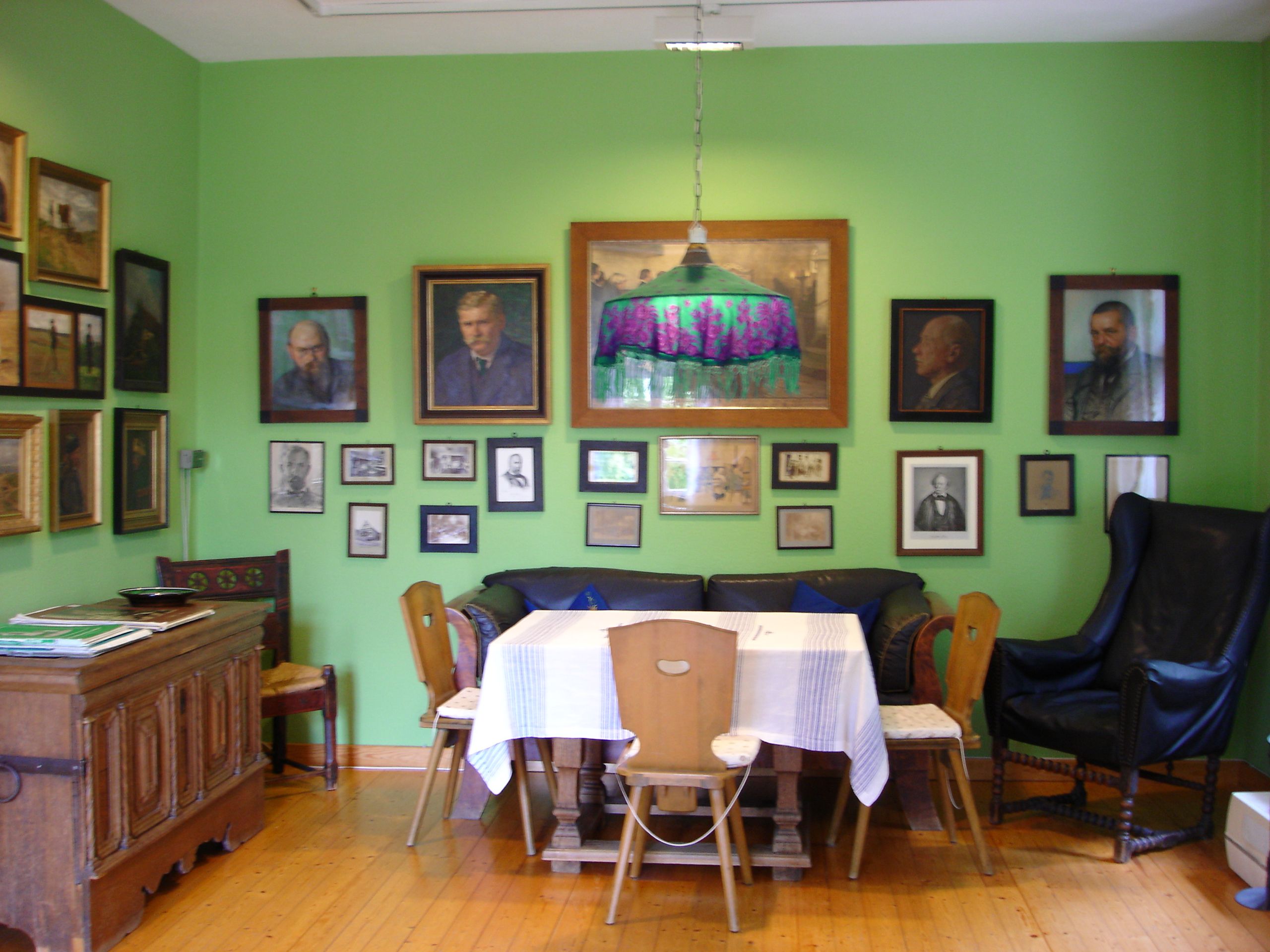
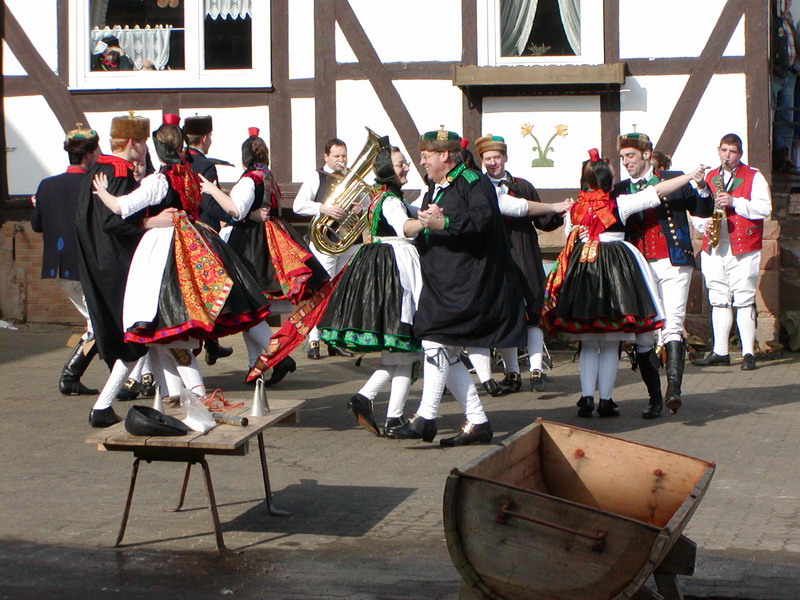
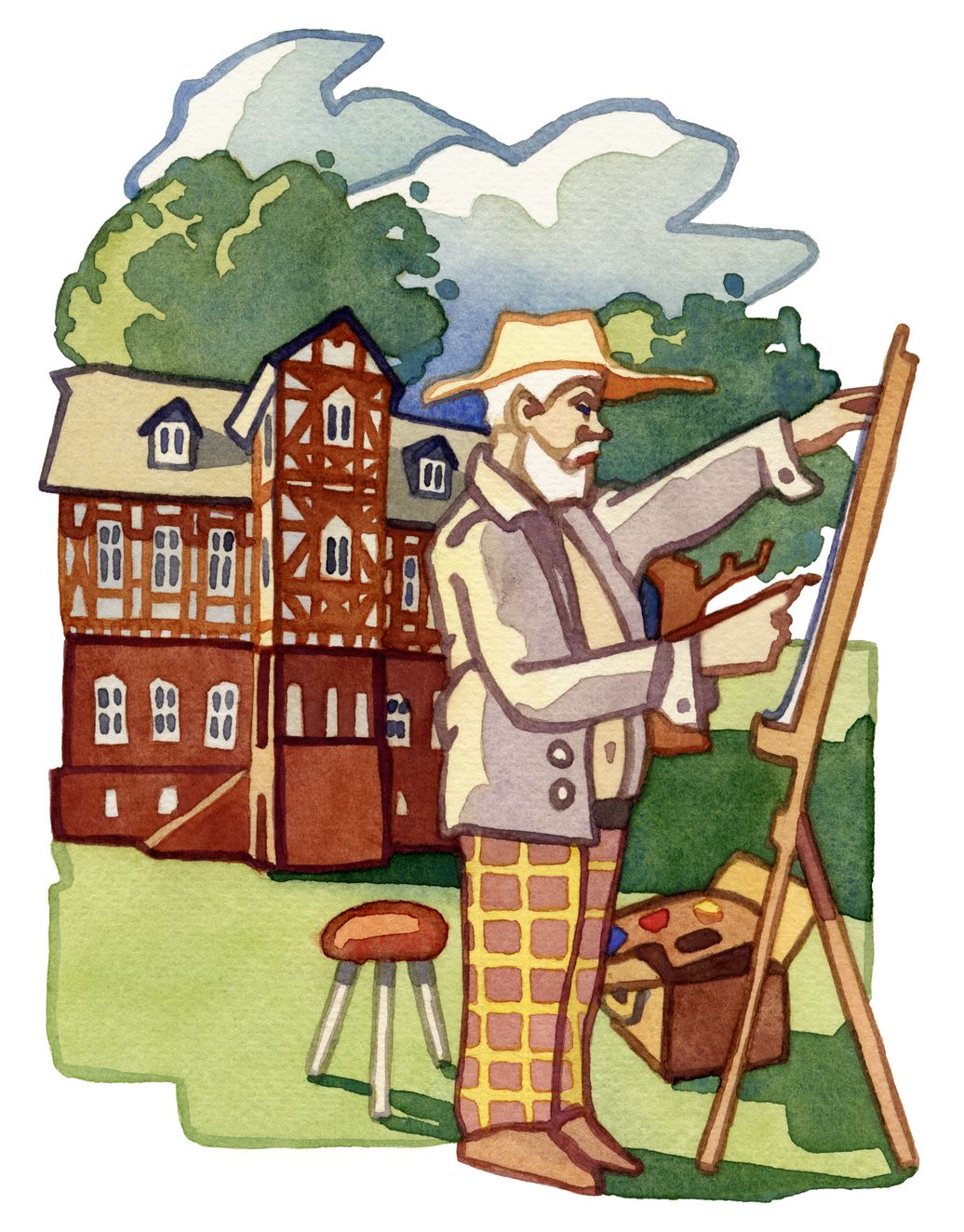
Willingshausen lies in the southern part of the Schwalm cultural region, renowned for its distinctive dialect (Schwälmer Platt), its colourful traditional Schwalm costume, and the unique character of its people. Inspired by the region's picturesque landscapes, more than 300 artists have come to Willingshausen and the Schwalm over the past two centuries, making it one of Europe's oldest and most renowned artists' colonies.
Willingshausen for Fairy Tale Enthusiasts
Although many people believe that Little Red Riding Hood originated in the Schwalm region, the tale actually has French roots and first appeared in the fairy tale collection of Charles Perrault (1628–1703).
Nevertheless, there is a fascinating connection between the Brothers Grimm and the Schwalm. Through Wilhelm Grimm's close friendship with the von Schwertzell family—particularly Fritz von Schwertzell, whom he met while studying in Kassel and later in Marburg—and through visits to Willingshausen as well as their brother, the artist Ludwig Emil Grimm, the Brothers Grimm became well acquainted with the traditional Schwalm costume.
The striking resemblance between the bright red bonnet worn by young women in the traditional costume and Little Red Riding Hood's famous cap is remarkable. It is therefore hardly surprising that the people of the Schwalm proudly regard their homeland as the true Little Red Riding Hood Country.
Fritz's sister, Wilhelmine von Schwertzell, also collected fairy tales and maintained an extensive correspondence with Wilhelm Grimm. Seventy-five of her letters have survived.
The recently published collection Schwälmer Sagenborn contains around 50 fairy tales and legends set in the villages of today's municipality of Willingshausen, while approximately 140 stories are associated with the Schwalm region as a whole.
Another connection to the Grimm fairy tales is found in the work of Otto Ubbelohde, whose celebrated illustrations appeared in numerous Grimm editions. The distinguished graphic artist was a frequent guest of Professor Wilhelm Thielmann in Willingshausen.
Willingshausen for Holidaymakers and Day Visitors
A visit to Willingshausen offers much more than its famous artists' village alone, although the district of Willingshausen enjoys international recognition in the art world.
Artists such as Carl Bantzer helped establish the village's artistic reputation. Since 1996, the Willingshausen Artists' Scholarship has continued this tradition, while the Willingshausen Painting Symposium, launched in 2019, has expanded it onto a European stage. The results of these artistic initiatives are presented in exhibitions and at the Malerstübchen gallery.
Each of the municipality's villages has its own distinctive character:
- Gungelshausen is associated with Giselle Tszara.
- Leimbach is home to the Fleckenbühl community.
- Loshausen is known for its white stork nesting sites and music festivals.
- Merzhausen features a cultural heritage trail with the Wipper Stones and sites connected to Jewish history.
- Ransbach is home to a modern biogas plant.
- Steina is known for the Melanchthon School.
- Wasenberg boasts an impressive church and an innovative district heating network.
- Zella is famous for its dialect theatre and the traditional Brühtrog Race.
Many of the individual villages also maintain their own websites, offering further information about local attractions and events.