Fairy-Tale History in the Heart of the Weser Uplands
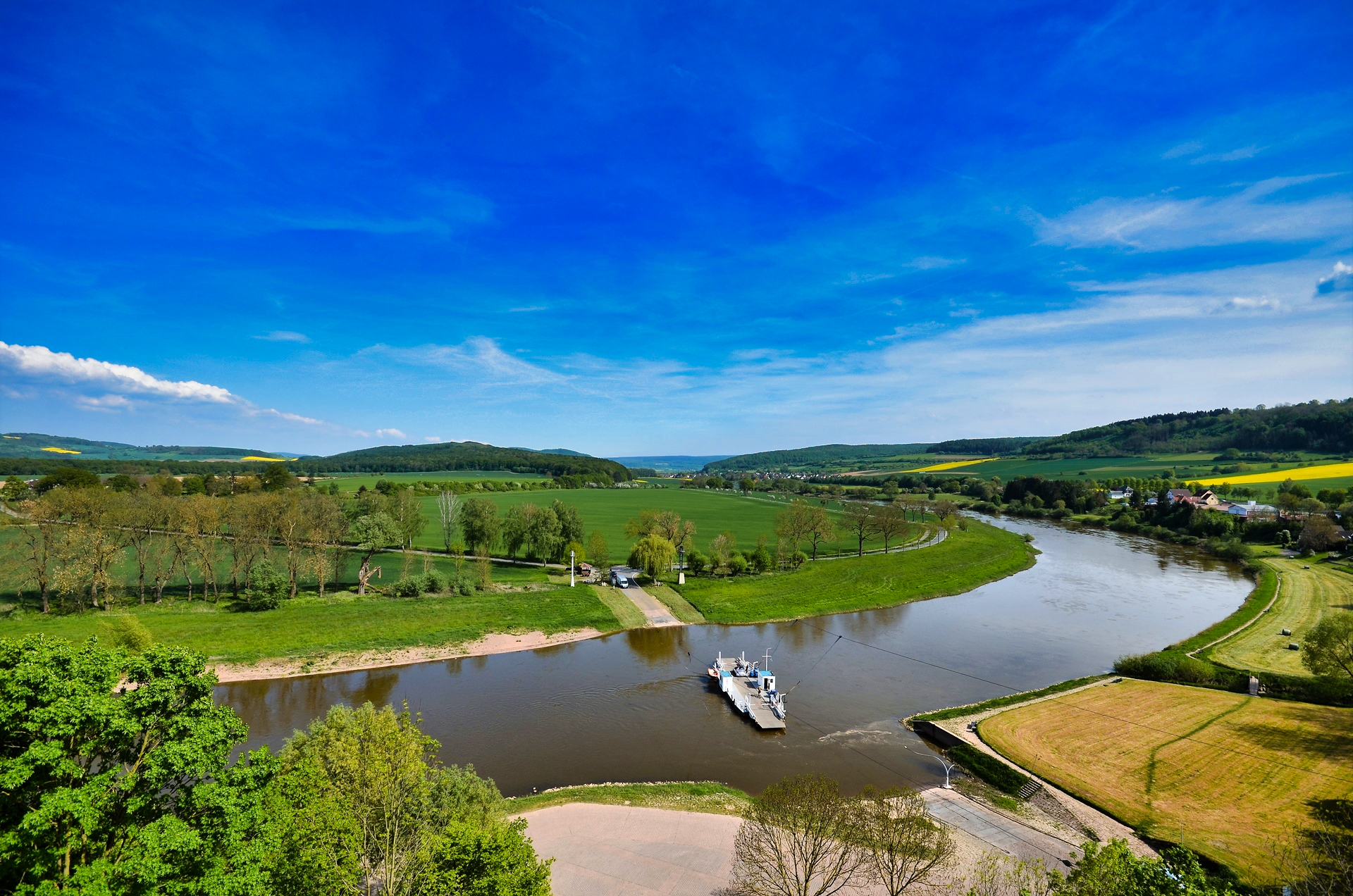
Where the River Weser sweeps through its famous broad bend lies the enchanting historic village of Polle, the official home of Cinderella. Polle is situated at the crossroads of the Weser Valley Route, the German Fairy Tale Route, and the Weser Cycle Route. The village belongs to the municipality of Bodenwerder-Polle and lies between the Münchhausen town of Bodenwerder to the north and the district town of Holzminden to the south.
The picturesque village centre still features historic houses and notable monuments, including St George's Church, a beautiful Renaissance building dating from the 16th century. High above the Weser Valley rises the restored Everstein Castle Ruin, one of the region's most striking landmarks.
Polle for Fairy Tale Enthusiasts
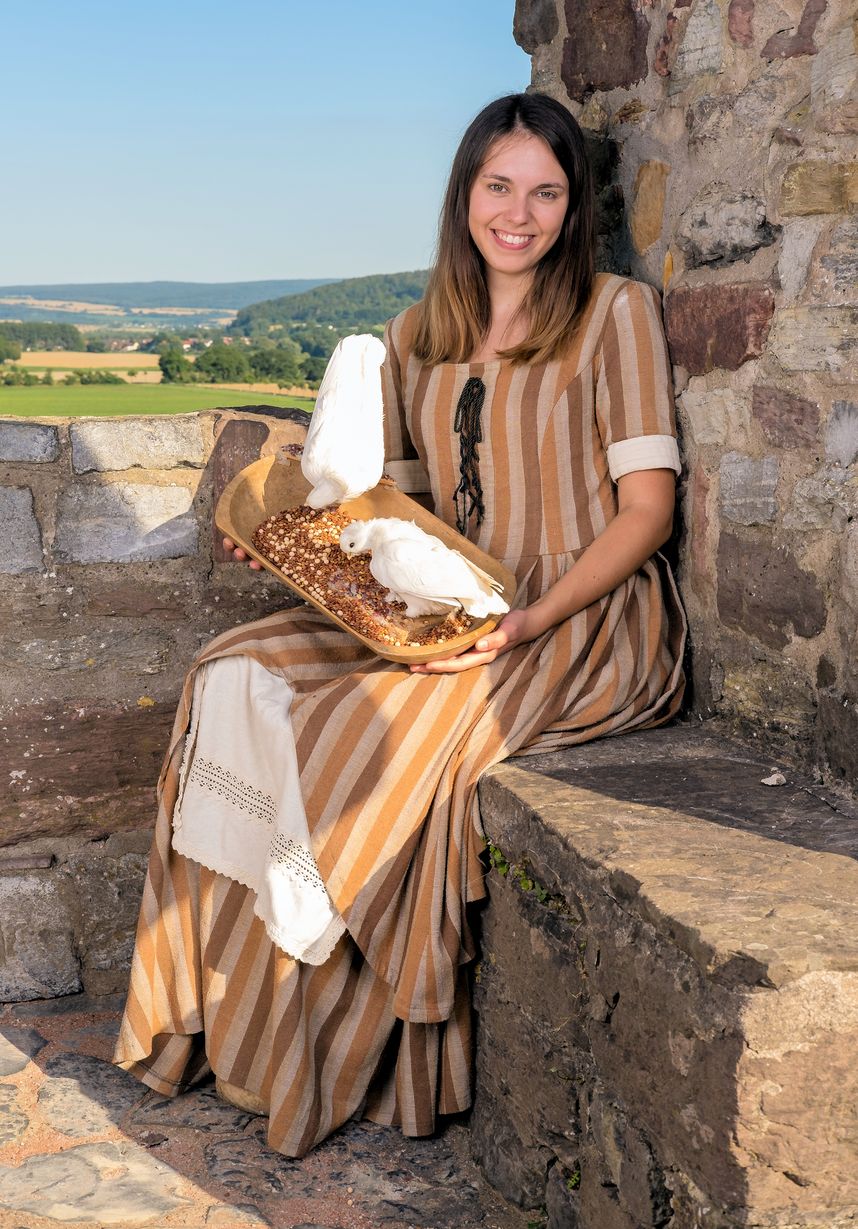
Polle has been part of the German Fairy Tale Route since its foundation. Since 1995, Cinderella has officially been at home in Polle, and since 1996 the Cinderella Play has been performed every year on the fourth Sunday of each month from May to September at 3:00 p.m.
Everything in Polle revolves around Cinderella. In 2009, the Cinderella Room was opened in the House of Guests, allowing visitors to experience the fairy tale throughout the year, even outside the performance season.
In 2013, the Cinderella Trail around the castle grounds was inaugurated. Along the route, visitors of all ages can discover Cinderella's hearth, the dovecote, and her famous golden slipper. At three stations, the original Brothers Grimm text—published by Reclam—can be read, while beautifully illustrated information panels by Kassel artist Markus Lefrançois, featuring scenes from Polle, accompany the walk.
Polle for Holidaymakers and Day Visitors
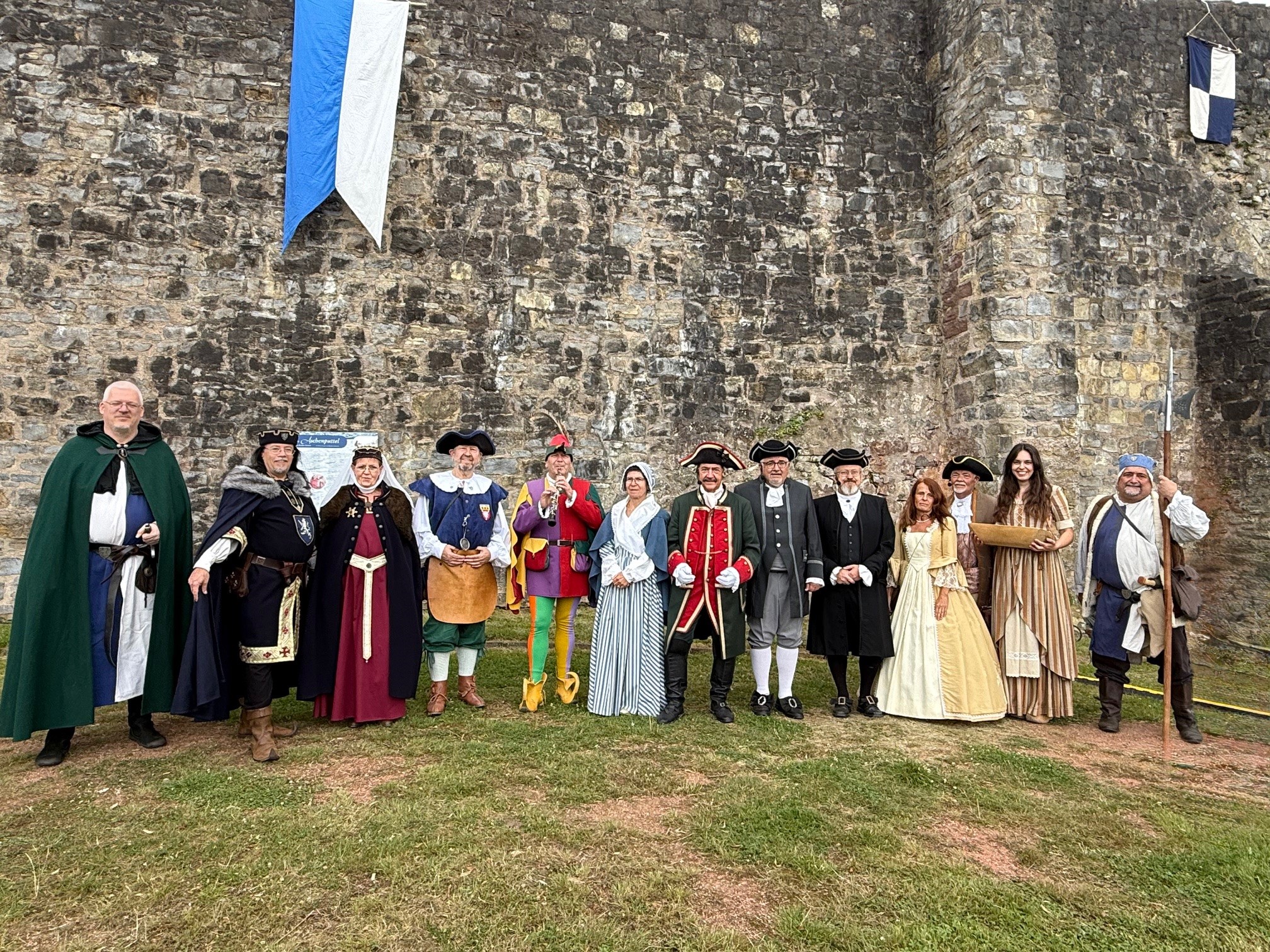
In addition to its romantic castle ruins, where visitors may occasionally be guided by the historical characters Count Otto of Everstein and his wife Lutgard of Schladen, Polle offers a wealth of leisure activities.
An extensive network of walking and cycling trails invites visitors to explore the beautiful Weser Uplands. Excursions on board the Flotte Weser passenger boats or crossings on the Weser Uplands' largest cable ferry provide memorable experiences on the river.
Further attractions include the Weserbergland Golf Club with its unique Golf-Art-Land concept, a solar-heated outdoor swimming pool, tennis courts, and numerous recreational facilities.
Culture also plays an important role in Polle. The House of Guests regularly hosts exhibitions by regional artists, while the Castle Museum presents the history of the fortress. Open-air theatre performances for both children and adults, the annual Cinderella Play, the renowned Pumpkin Market, and Cinderella's Advent Market, held beneath northern Germany's largest Advent candle, complete the town's varied programme of events.